
vanity mirror with lights portable
How to Close the Water Valve A Step-by-Step Guide Understanding how to properly close a water valve is essential for every homeowner. Whether you're dealing with a plumbing emergency, performing maintenance on your plumbing system, or preparing for seasonal changes, knowing how to close the water valve correctly is crucial to prevent water damage and ensure safety. This article will provide a comprehensive step-by-step guide on how to close the water valve effectively. Step 1 Identify the Water Valve Before you can close a water valve, you need to know where it is located. Most homes have several water valves, including 1. Main Water Valve This valve is typically located near where the water line enters your home, such as in the basement, crawl space, or outside near the foundation. 2. Individual Fixture Valves These valves can be found under sinks, behind toilets, or near appliances that use water, such as dishwashers and washing machines. 3. Outdoor Valves These are used to control water flow to outdoor hoses or irrigation systems. Once you’ve located the appropriate valve, ensure you have the right tools, if necessary. For most valves, you will simply need your hands, but occasionally, a wrench or pliers might be required. Step 2 Understand the Valve Type Water valves come in different types, such as gate valves, ball valves, and compression valves. - Gate Valves Usually rounded, these valves require you to turn the handle multiple times to close fully. - Ball Valves These generally have a lever handle that you can turn a quarter-turn (90 degrees) to close or open. - Compression Valves Commonly found under sinks, these require you to turn the handle clockwise to close. Knowing the type of valve will help you understand how to operate it effectively. Step 3 Prepare to Turn Off the Valve Before you begin turning off the valve, it’s essential to prepare 1. Clear the Area Make sure the area around the valve is free of obstacles. This will ensure you have enough space to maneuver and inspect for any leaks after closing the valve. how to close the water valve 2. Position a Container If the valve is under a sink or in a location where water could leak, place a bucket or container underneath to catch any residual water that may spill. Step 4 Close the Valve Now that you’re ready, proceed to close the valve - For Gate Valves Turn the handle clockwise until it is fully closed. You may need to turn it multiple times, depending on the valve size. - For Ball Valves Simply turn the lever 90 degrees until it is perpendicular to the pipe. In this position, the valve is closed. - For Compression Valves Turn the handle clockwise until it stops. Be careful not to overtighten, as this can damage the valve. Step 5 Check for Leaks After closing the valve, it’s crucial to check for any leaks. Turn on the faucet connected to the closed valve and observe 1. No Water Flow If there’s no water coming out, the valve has effectively closed. 2. Leaks If you notice any leaks around the valve, especially if it’s an older valve, it might indicate that the valve is worn out and may need to be replaced. Step 6 Document and Maintain Keep a record of the valves in your home and routinely check their condition. Proper maintenance can prolong the life of your plumbing system and prevent potential issues. Conclusion Closing a water valve is a straightforward yet essential task for any homeowner. By understanding the types of valves, knowing their locations, and following the steps outlined above, you can effectively manage your plumbing system. Whether you are responding to a leak, preparing for cold weather, or completing routine maintenance, mastering the art of closing water valves ensures your home remains safe and dry. Remember to remain proactive about your plumbing needs, and don't hesitate to call a professional if you're uncertain about any aspect of valve operation or maintenance.
about
vanity mirror with lights portable
Understanding Snap-On Dial Indicators Precision Tools for Accurate Measurement In the world of machining, engineering, and quality control, precision is paramount. Among the array of tools available for measurement, the snap-on dial indicator stands out as a vital instrument for achieving accuracy in various applications. This article delves into the features, uses, and advantages of snap-on dial indicators, highlighting their significance in maintaining quality and precision in both industrial and laboratory settings. What is a Snap-On Dial Indicator? A snap-on dial indicator is a precision measuring instrument that is widely used to measure small distances and variations in height or alignment. It is composed of a dial face that typically displays measurements from 0 to 1 inch or 0 to 25 millimeters, and a needle, or pointer, that moves in response to changes in the workpiece being measured. The design allows for the attachment of various probes or tips that can adapt to different measurement tasks. One of the defining features of snap-on dial indicators is their ease of use. The user can quickly snap the unit onto a workpiece, allowing for immediate measurement without complicated setups. This convenience makes them particularly useful in fast-paced environments, where time and efficiency are critical. Key Features 1. Accuracy Snap-on dial indicators are known for their high precision, often with an accuracy of 0.001 inches or better. This level of precision is crucial for applications ranging from machining to assembly inspections. 2. Durability Built to withstand the rigors of industrial environments, these indicators are often constructed with hardy materials that resist wear and damage. 3. Versatility With a variety of interchangeable tips, snap-on dial indicators can be used in different measuring scenarios, whether assessing flatness, alignment, or roundness. 4. Easy Readability The large, clear dial face and contrasting markings allow for easy reading of measurements, reducing the risk of human error. Applications Snap-on dial indicators find utility across a range of industries, including automotive, aerospace, manufacturing, and quality assurance. Some common applications include snap on dial indicator - Alignment Checks Ensuring that machinery parts are aligned correctly is essential for operational efficiency. Dial indicators are used to check for misalignment in shafts and components, helping to prevent premature wear and tear. - Height Measurement In machining processes, measuring the height of workpieces is crucial . Snap-on dial indicators can accurately assess variations in height, allowing for precise adjustments. - Flatness Measurement When working with surfaces, ensuring flatness is critical for the function of mechanical parts. Dial indicators can measure the flatness of surfaces, assisting in quality control. - Roundness Measurement For components that require circular precision, such as bearings, snap-on dial indicators can measure roundness to ensure that parts meet specifications. Advantages of Using Snap-On Dial Indicators The use of snap-on dial indicators provides numerous benefits 1. Time Efficiency The ability to quickly attach and remove the indicator saves time, which is especially valuable in high-production environments where every second counts. 2. Enhanced Accuracy With fine gradations and precision mechanisms, measurements are more accurate compared to traditional methods, leading to improved product quality. 3. User-Friendly Designed for ease of use, even individuals with minimal training can effectively operate snap-on dial indicators, making them accessible for a broad range of personnel. 4. Cost-Effectiveness Investing in a high-quality snap-on dial indicator can reduce costly errors and reworks, ultimately leading to savings and increased profitability. Conclusion The snap-on dial indicator is an indispensable tool that enhances measurement accuracy and efficiency in various industrial applications. With its combination of precision, durability, and ease of use, it stands as a testament to the advancements in measurement technology. Understanding its features and applications not only empowers businesses to achieve superior quality control but also drives innovation across the engineering landscape. As industries continue to evolve, the relevance of tools like the snap-on dial indicator will undoubtedly persist, facilitating the pursuit of excellence in manufacturing and engineering practices.
-

High quality industrial productsagement

High quality industrial products
View Details -

Meet the diverse needs of customers

Meet the diverse needs of customers
View Details -

Strict quality control

Strict quality control
View Details -

Top raw materials

Top raw materials
View Details -

Trusted supplier

Trusted supplier
View Details
Our application



news and information
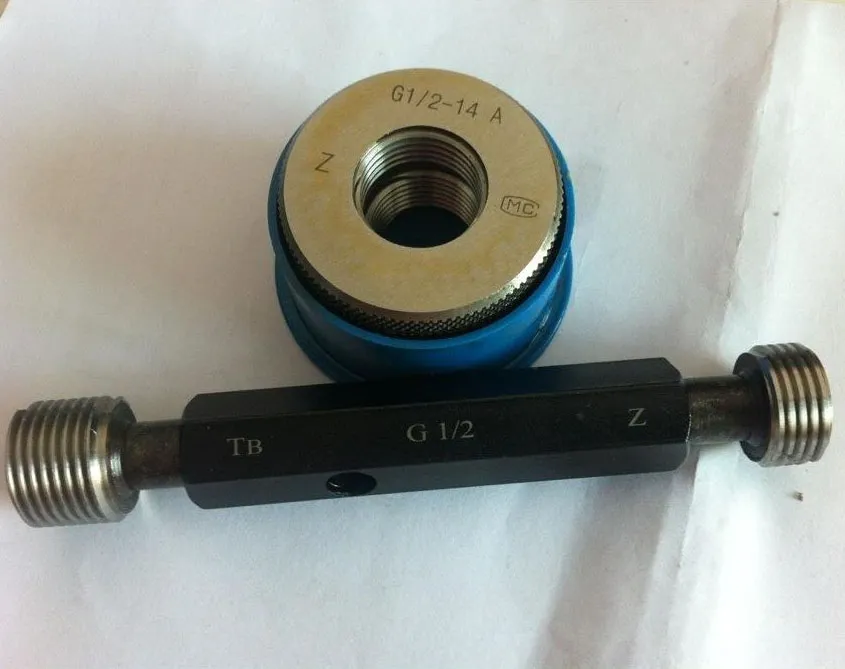
working thread plug gage
Understanding Working Thread Plug Gages Importance and Applications In the world of manufacturing an

Vee blokken te koop voor duurzame landbouwoplossingen en efficiëntie
VEE Blokken Te Koop De Toekomst van Duurzaam Wonen In de wereld van de bouw en architectuur zien we

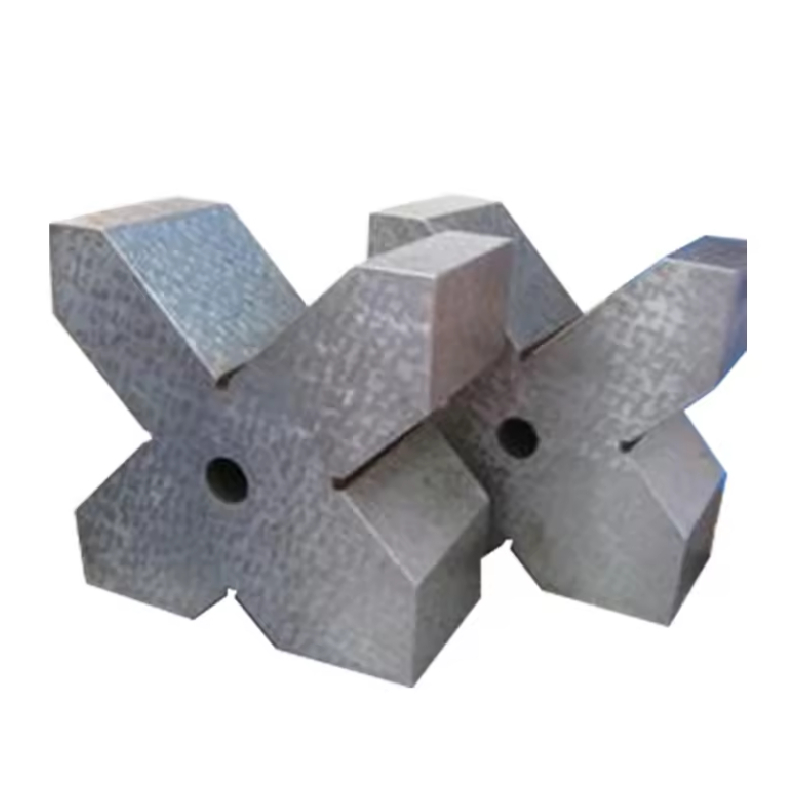
v block price
Understanding V Block Price An Overview In the ever-evolving landscape of digital currencies and bl
 English